
Series: The Venture Studio Founder (Part 4 of 4)
Series Navigation:
Part 1: Founder Mindset vs. Operator Mindset
Part 2: Navigating Studio Partnership
Part 3: Building with Transparency
Part 4: The Founder Journey to Independence (Current)
The journey from studio-recruited founder to independent CEO is one of the most transformative professional experiences an entrepreneur can have.
Unlike traditional founders who start with complete autonomy (and complete risk), studio-backed founders begin with partnership, support, and de-risked opportunities—then progressively earn independence through performance and capability development.
This journey follows a predictable arc—but success is far from guaranteed.
Some founders thrive in the studio model, building exceptional companies while developing into world-class CEOs. Others struggle with partnership dynamics, either rejecting support or becoming overly dependent, never achieving the independence necessary for venture success.
Understanding this journey—its stages, challenges, milestones, and transformation points—helps both aspiring and current studio founders navigate the path successfully.
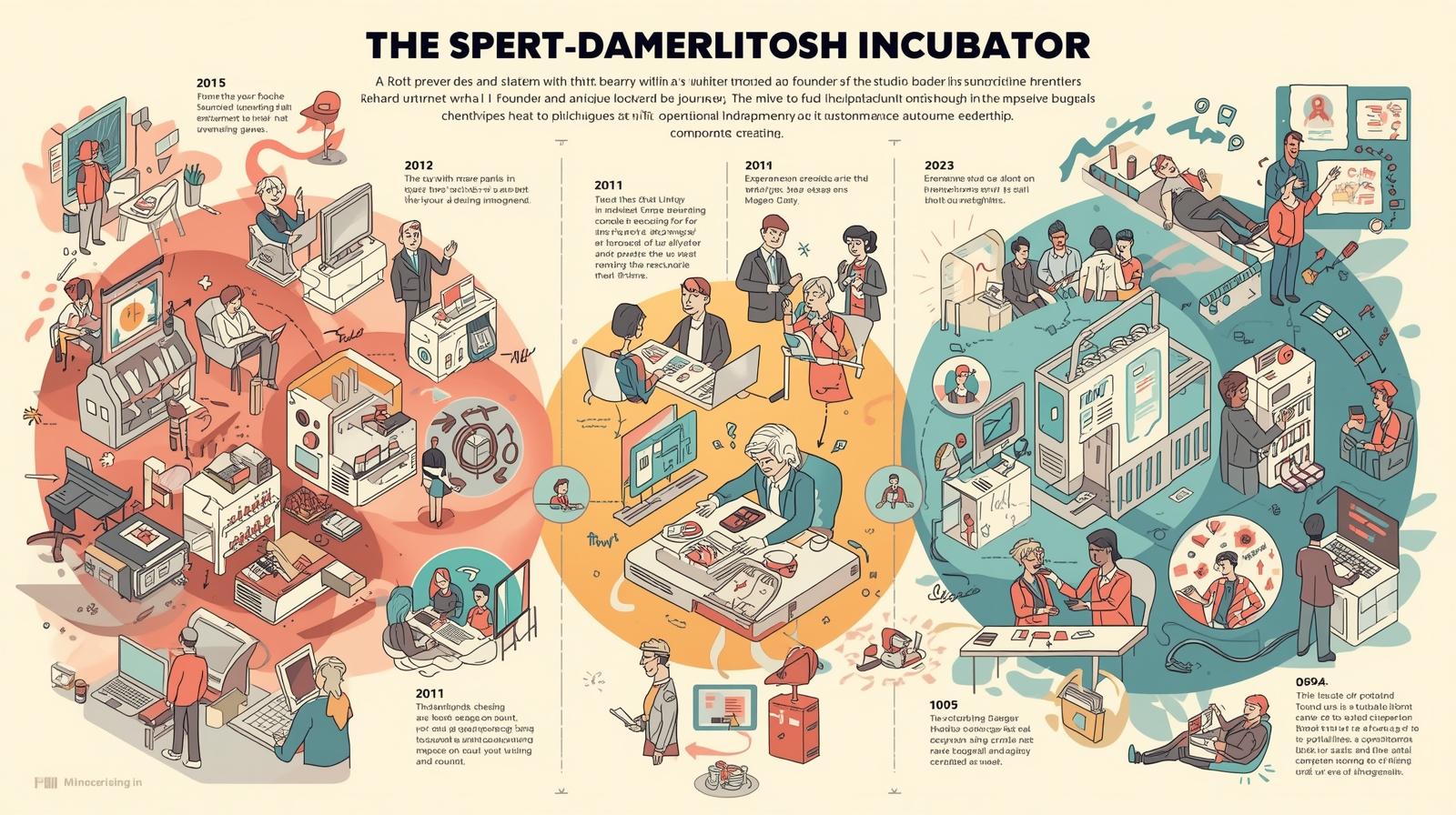
The Complete Founder Journey Arc
The typical studio-backed founder journey spans 24-48 months from recruitment to full independence.
The Arc Overview
Months 0-6: Partnered Building
Founder recruited or selected
Heavy studio involvement
Building MVP or refining it
Learning studio methodology
Developing founder capabilities
Months 6-12: Emerging Leadership
Increasing autonomy
Product-market fit pursuit
Team building begins
Founder voice strengthening
Studio support decreasing
Months 12-18: Scaling Independence
Significant autonomy achieved
External funding often raised
Full team in place
Studio board-level involvement
Independent operations
Months 18-24: Full Independence
Complete operational autonomy
Studio as board member only
Mature organization
Clear growth trajectory
Founder-CEO fully realized
Months 24+: Portfolio Relationship
Quarterly board meetings
Strategic moments only
Continued growth
Exit pathway emerging
Relationship maintained
The goal: Transform from studio-supported founder to fully independent CEO.
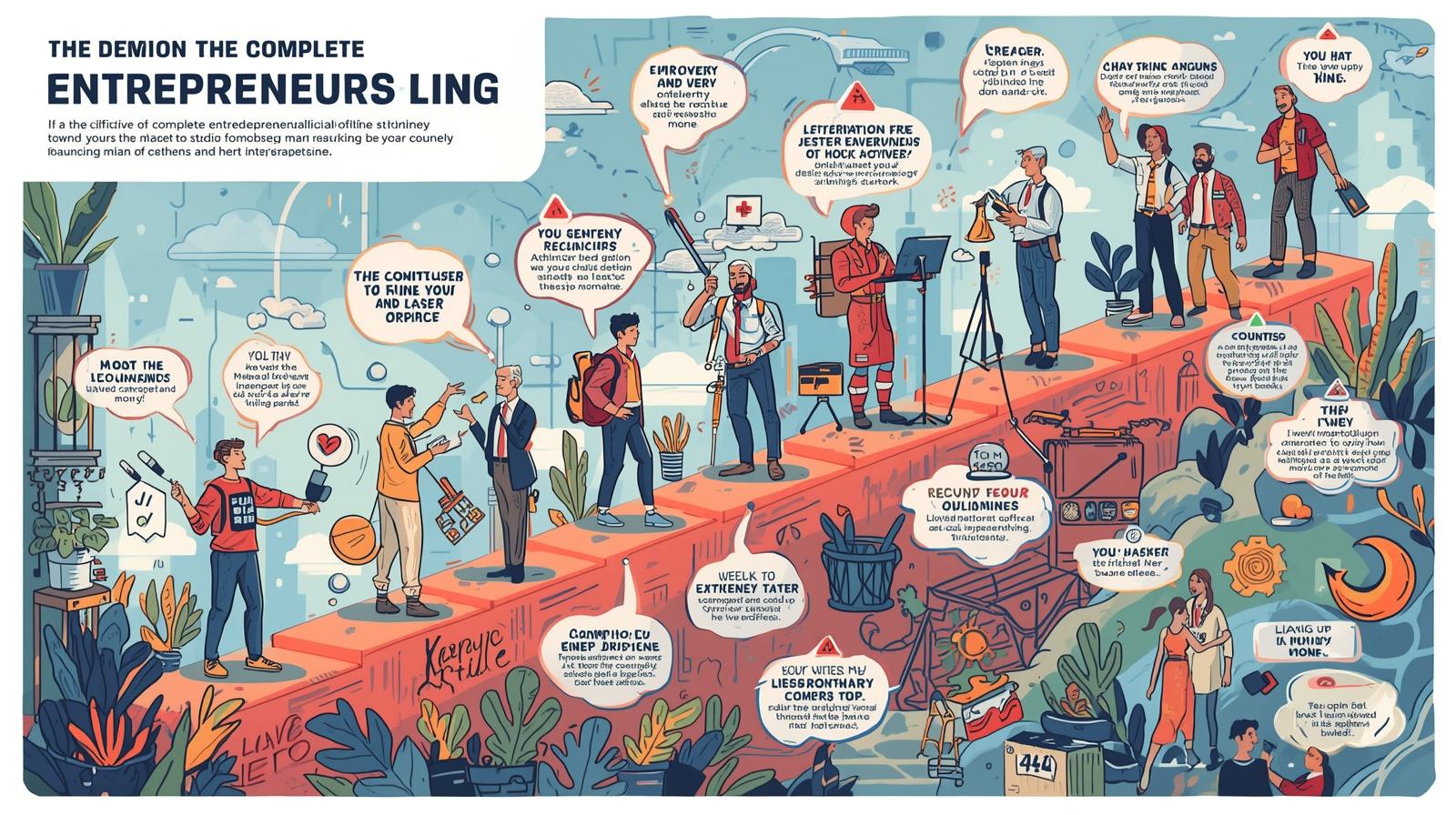 Stage 1: Recruitment and Onboarding (Months -3 to 0)
The journey begins before day one.
Pre-Joining: The Courtship
For external founders:
Discovery Phase:
Learn about studio and opportunity
Understand studio model
Evaluate fit and alignment
Assess opportunity quality
Build relationship with studio
Assessment Phase:
Studio evaluates founder
Founder evaluates studio
Mutual due diligence
Chemistry and fit testing
Reference checks both ways
Negotiation Phase:
Equity and compensation
Role and authority
Decision-making rights
Support and resources
Timeline and milestones
Decision Point:
Commit to partnership
Join as founding CEO
Clear expectations set
Excitement and nervousness
Journey begins
The First Weeks: Orientation
Week 1-2: Immersion
Activities:
Meet studio team
Understand resources available
Review validation work
Meet with Studio Partner
Align on immediate priorities
Goals:
Understand support system
Build relationships
Clarify expectations
Set communication rhythm
Establish foundations
Common feelings:
Excitement and energy
Some overwhelm
Eagerness to prove self
Uncertainty about dynamics
Optimism high
Key actions:
Ask many questions
Absorb studio methodology
Build relationships proactively
Set realistic expectations
Establish credibility early
The First 100 Days: Foundation Building
Critical objectives:
Understand the Opportunity:
Deep dive on validation
Internalize customer insights
Understand competitive landscape
Grasp business model
Own the strategic narrative
Build the Team:
Assess platform resources available
Identify gaps to fill
Begin key hires if needed
Establish team culture
Create working relationships
Set Direction:
Refine product vision
Establish roadmap
Define success metrics
Align with studio
Communicate plan
Establish Rhythm:
Regular check-ins with Studio Partner
Communication cadence
Decision-making patterns
Progress reporting
Support utilization
Early wins matter:
Ship something quickly
Secure early customers
Hit initial milestones
Demonstrate capability
Build confidence
Common pitfalls:
Moving too fast without understanding
Rejecting validation work
Failing to build relationships
Not leveraging studio resources
Treating it like employee role
Stage 2: Partnered Building (Months 0-6)
The heavy support phase where foundations are built.
The Working Dynamic
Studio involvement level: Very High
Daily/Weekly:
Platform team working on product
Designer creating experiences
Engineers building features
Marketer developing brand
Founder coordinating everything
Weekly Studio Partner Check-ins:
60-90 minutes
Progress and challenges
Decision discussions
Resource coordination
Problem-solving partnership
The founder role:
Product decisions and prioritization
Customer development and feedback
Team coordination and leadership
Strategy refinement and execution
Vision ownership and communication
The studio role:
Resource provision and support
Guidance and pattern sharing
Problem-solving partnership
Network and relationship access
Quality assurance and standards
This is true partnership—not employment, not independence.
Key Milestones
Month 1: First Customer Conversations
Founder leads customer development
Validates or challenges assumptions
Builds customer relationships
Develops market insights
Demonstrates customer empathy
Month 2: Product Direction Ownership
Founder defines product priorities
Makes roadmap decisions
Balances features vs. speed
Articulates product vision clearly
Shows strategic product thinking
Month 3: MVP Launch or Major Update
Product ships to market
Real user feedback begins
Metrics start flowing
Iteration cycles established
Market presence created
Month 4-5: Traction Signals
Early customers acquired
Usage data accumulating
Feedback informing iteration
Business model testing begins
Pattern emerging
Month 6: Product-Market Fit Hypothesis
Clear direction established
Target customer validated
Value proposition resonating
Business model forming
Confidence building
Common Challenges
Challenge #1: Balancing Autonomy and Partnership
Want to make own decisions
But need studio expertise
Finding right balance
Not too dependent, not too independent
Learning the dance
Challenge #2: Managing Platform Resources
Multiple people working on venture
Coordination complexity
Communication overhead
Different working styles
Building team dynamics
Challenge #3: Early Metrics Interpretation
Small sample sizes
Noisy data
Uncertain signals
Temptation to over-interpret
Pressure for traction
Challenge #4: Demonstrating Leadership
Platform team looking for direction
Studio evaluating capability
Pressure to prove worthiness
Self-doubt possible
Establishing credibility
Challenge #5: Transitioning Mindset
From whatever came before
To true founder thinking
Ownership development
Strategic capability building
Leadership identity forming
Critical Success Factors
What determines success in this stage:
Founder demonstrates:
Strategic thinking capability
Customer obsession and empathy
Product judgment and prioritization
Team leadership and coordination
Communication and transparency
Coachability and learning
Execution and delivery
Resilience through challenges
Founder builds:
Trust with studio partnership
Credibility with platform team
Relationships with customers
Clear product direction
Early traction signals
Personal confidence
Leadership capability
By month 6, trajectory becoming clear.
Stage 3: Emerging Leadership (Months 6-12)
The transition period where founders begin owning outcomes independently.
The Shifting Dynamic
Studio involvement level: High → Medium
Changes:
Platform resources decreasing
Founder hiring own team
Weekly check-ins → Bi-weekly
Studio guidance → Founder decisions
Heavy support → Strategic partnership
The founder evolution:
Less "What should I do?"
More "Here's what I'm doing"
Increasing conviction
Growing independence
Strengthening voice
The studio evolution:
Less operational involvement
More strategic guidance
Trust increasing
Autonomy granted progressively
Transition to board role beginning
Key Milestones
Month 7-8: Team Building
First key hires made
Designer or engineer hired
Marketer potentially hired
Team culture established
Management capability demonstrated
Month 9: Product-Market Fit Pursuit
Clear focus on PMF
Iteration cycles fast
Customer feedback driving decisions
Metrics improving
Direction crystallizing
Month 10-11: Business Model Validation
Pricing validated
Unit economics understood
Customer acquisition working
Retention improving
Path to profitability visible
Month 12: Independence Demonstration
Operating largely independently
Studio board-level involvement
Team functioning well
Metrics strong
Fundraising preparation often
The Autonomy Expansion
Decision authority shifting:
Months 0-6:
Founder decides: Product details, daily operations
Studio approves: Product direction, major hires, budget
Partnership: Strategy, positioning, major pivots
Months 6-12:
Founder decides: Product, operations, team (non-C-level), tactics
Studio approves: C-level hires, major strategy changes, large budget increases
Partnership: Fundraising, major pivots, exit considerations
The shift: Founder becomes default decision-maker.
Common Challenges
Challenge #1: Managing Transition
Platform resources decreasing
Own team still building
Capability gaps emerging
Increased responsibility
Growing pains
Challenge #2: Fundraising Decisions
When to raise external capital?
How much to raise?
What terms acceptable?
Studio guidance vs. founder judgment
Future ownership implications
Challenge #3: Strategic Pivots
When data suggests changes
How major to pivot?
Studio alignment critical
Founder conviction required
Risk management
Challenge #4: Team Performance
First time firing someone
Managing underperformers
Building high-performance culture
Holding people accountable
Leadership maturity required
Challenge #5: Imposter Syndrome
Still learning and growing
Comparing to experienced CEOs
Mistakes being made
Self-doubt natural
Confidence building
Critical Success Factors
What determines success in this stage:
Capability demonstration:
Makes increasingly good decisions independently
Hires well and builds strong team
Navigates challenges without constant help
Achieves product-market fit signals
Manages team effectively
Communicates transparently
Shows strategic maturity
Relationship evolution:
Maintains strong studio partnership
Doesn't reject guidance
Doesn't become overly dependent
Navigates autonomy increase gracefully
Builds mutual respect and trust
Business outcomes:
Revenue growing
Metrics improving
Customer satisfaction high
Team performing
Capital efficient
Clear trajectory
By month 12, founder operating like CEO, not studio employee.
Stage 4: Scaling Independence (Months 12-18)
The acceleration period where ventures achieve full independence.
The Mature Dynamic
Studio involvement level: Medium → Low
Transformation:
Board-level relationship established
Monthly/quarterly board meetings
Studio Partner available but not involved daily
Founder fully autonomous operationally
Strategic partnership maintained
The founder as CEO:
Complete operational control
Strategic decision-making
Full team management
Capital allocation authority
Vision ownership
The studio as board member:
Governance role clear
Strategic counsel available
Network accessible
Specific problem-solving
Exit planning partner
Key Milestones
Month 13-14: External Fundraise (Often)
Series A or significant Seed round
External validation achieved
Capital for scaling raised
Valuation established
Investor relationships built
Month 15: Full Team in Place
C-level complete (CTO, VP Sales, etc.)
Functions fully staffed
No dependency on studio platform
Team performing well
Culture established
Month 16-17: Market Position Established
Clear market leader emerging or
Strong niche player or
Growing presence validated
Competition understood
Positioning clear
Month 18: Independence Achieved
Operating fully independently
Studio board seat valuable but not essential
Company self-sustaining
Founder fully capable
Relationship healthy
The Full Founder Transformation
What changed from month 0:
Capability:
Strategic thinking matured
Decision-making refined
Leadership developed
Industry expertise deepened
Network built
Confidence earned
Mindset:
True founder thinking
Ownership complete
Vision clarity
Conviction strong
Independence comfortable
Relationship:
Studio as partner, not support system
Mutual respect deep
Trust established
Appropriate boundaries
Healthy distance
Role:
CEO of independent company
Not studio-backed founder
Leader of team and vision
Accountable for outcomes
Fully realized
Common Challenges
Challenge #1: Post-Funding Dynamics
New board members
Different investor expectations
Studio role evolving
Founder managing multiple stakeholders
Complexity increasing
Challenge #2: Scaling Challenges
Growing team rapidly
Culture preservation difficult
Process introduction required
Founder role changing
From builder to leader
Challenge #3: Competitive Pressure
Market success attracts competition
Maintaining edge difficult
Strategic moves required
Pressure intensifying
Stakes rising
Challenge #4: Studio Relationship Evolution
Decreasing contact natural
But relationship important
Finding new equilibrium
Managing expectations
Maintaining connection
Challenge #5: Founder Identity
No longer "studio founder"
Just "founder/CEO"
Identity shift
Independence fully embraced
New chapter beginning
Critical Success Factors
What determines success in this stage:
Business outcomes:
Strong growth trajectory
Unit economics healthy
Team performing excellently
Product-market fit clear
Defensible position building
Leadership maturity:
Managing larger organization
Strategic thinking sophisticated
Decision-making excellent
Communication clear
Vision compelling
Independence demonstrated:
Not relying on studio
But maintaining relationship
Operating autonomously
Partnership respected
Balance achieved
Stage 5: Full Independence (Months 18-36+)
The mature company phase where studio relationship stabilizes.
The Steady State
Studio involvement level: Very Low
The relationship:
Quarterly board meetings
Occasional strategic discussions
Network access when valuable
Specific problem-solving rare
Long-term partnership maintained
The founder as leader:
Mature CEO
Clear vision and strategy
Strong team and culture
Market presence established
Growth continuing
The studio as investor:
Proud of venture success
Supportive board member
Available when needed
Patient capital provider
Exit planning partner
Long-Term Success Patterns
Path 1: Continue Building
Multi-year growth trajectory
Series B, C, D rounds
Scaling to $10M+ ARR
Team growing to 100+ people
Market leadership emerging
Path 2: Strategic Exit
Acquisition opportunity emerges
Studio and founder align on exit
Value creation for all
Successful outcome
Founder next chapter
Path 3: Long-Term Independent
Profitable, sustainable business
No immediate exit
Continue building
Studio patient investor
Eventual exit eventual
The Founder Reflection
Looking back on journey:
What was hard:
Balancing partnership and autonomy
Building in parallel with studio
Earning independence progressively
Managing different relationship stages
Developing leadership capability
What was valuable:
Resources and support accelerated building
Expertise and pattern recognition invaluable
Network access created opportunities
De-risked opportunity increased odds
Partnership enabled growth
What was learned:
How to build companies systematically
How to leverage partnerships effectively
How to balance support and independence
How to lead teams and organizations
How to navigate complexity
The outcome: More capable founder than solo path would have created.
Common Failure Patterns
Why some studio-backed founders don't succeed.
Failure Pattern #1: Operator Not Founder
The story:
Recruited as founder but operator mindset
Executed well with clear playbook
Struggled when ambiguity returned
Looked to studio for answers
Never developed true founder capability
Venture stalled
Month 9-12 typically revealed this.
Prevention:
Better founder assessment upfront
Evaluate mindset not just skills
Test ambiguity tolerance
Assess ownership capability
Failure Pattern #2: Rejection of Partnership
The story:
Founder wanted complete autonomy immediately
Rejected studio guidance
Built without leveraging resources
Made preventable mistakes
Damaged relationship
Struggled unnecessarily
The irony: Independence without capability.
Prevention:
Clearer expectations upfront
Discuss partnership model explicitly
Assess founder partnership openness
Select founders open to collaboration
Failure Pattern #3: Perpetual Dependency
The story:
Comfortable with studio support
Never built independence
Relied on platform resources indefinitely
Couldn't function without studio
Never achieved true founder capability
Limited venture potential
Became employee not founder.
Prevention:
Clear independence milestones
Forced transitions
Capability development focus
Progressive autonomy expectations
Failure Pattern #4: Misaligned Expectations
The story:
Founder expected one dynamic
Studio expected another
Constant friction and conflict
Neither satisfied
Relationship damaged
Venture suffered
Communication failure.
Prevention:
Explicit expectation setting
Document relationship framework
Regular alignment discussions
Clear communication
Failure Pattern #5: Business Model Failure
The story:
Founder developed well
Partnership worked
But business model didn't work
Market not there or
Economics didn't work or
Competition too strong
Venture failed despite good founder
Not all failures are founder failures.
Reality: Even with good founders, many ventures fail. That's startups.
Success Principles for the Journey
What exceptional studio-backed founders do.
Principle #1: Own Your Development
Take responsibility for growth:
Seek feedback proactively
Learn from experiences
Build capabilities deliberately
Develop leadership consciously
Invest in self
Don't wait for studio to develop you.
Principle #2: Balance Partnership and Independence
The dance:
Leverage support without dependency
Accept guidance without submission
Build autonomy progressively
Maintain healthy relationship
Evolve appropriately
Neither reject nor cling.
Principle #3: Communicate Transparently
Throughout the journey:
Share challenges early
Celebrate wins together
Maintain open dialogue
Build trust consistently
No surprises
Transparency creates velocity.
Principle #4: Demonstrate Capability Progressively
Earn autonomy:
Deliver results consistently
Make good decisions
Build strong team
Show strategic maturity
Prove readiness
Trust is earned, not given.
Principle #5: Build for Independence
From day one:
Hire own team systematically
Develop own capabilities
Build independent network
Create self-sufficiency
Work toward graduation
Partnership is bridge, not destination.
Principle #6: Maintain Perspective
Remember:
This is a privilege
Many would want this opportunity
Challenges are growth
Partnership is advantage
Journey is transformation
Gratitude and perspective matter.
Conclusion: The Transformation Journey
The studio-backed founder journey is one of the most accelerated leadership development paths in entrepreneurship.
Key Takeaways:
The Arc: Partnered building → Emerging leadership → Scaling independence → Full independence. 18-36 months typically.
Stage 1 (0-6 months): Heavy support, foundation building, capability development, relationship establishing.
Stage 2 (6-12 months): Emerging autonomy, team building, PMF pursuit, leadership demonstration.
Stage 3 (12-18 months): Scaling independence, external funding, full team, market position.
Stage 4 (18+ months): Complete independence, board relationship, mature leadership, continued growth.
Success Factors:
Founder mindset (not operator)
Partnership navigation skillful
Transparent communication
Capability demonstration
Independence building
Relationship evolution
The Outcome: Studio-backed founders who complete this journey successfully emerge as more capable CEOs than most solo paths create—having built faster, learned from experts, leveraged resources, and developed through partnership.
The studio founder journey isn't easier than solo founding—it's different. And when navigated well, it's remarkably effective at creating both successful companies and exceptional leaders.
Series Complete!
Series Navigation:
Part 1: Founder Mindset vs. Operator Mindset
Part 2: Navigating Studio Partnership
Part 3: Building with Transparency
Part 4: The Founder Journey to Independence (Current)
References
Note: This article synthesizes the studio-backed founder journey from interviews with founders, studio operators, and case studies across the venture studio ecosystem.
Explore venture studios: Visit VentureStudiosHub.com to begin your founder journey.